
Introduction to Agile Project Management
Many organizations are now introducing agile delivery techniques into the workplace with the goal of delivering faster, with greater efficiency. To achieve these benefits, agile methods encourage a closer collaboration between the project business stakeholders and the project delivery team, they encourage the lowering of barriers (functional silos) between roles, and they promote communications techniques that foster a culture of openness and transparency. This level of change may create resistance for some people who have difficulty adapting. One of the best ways of overcoming such resistance is through education.
This mandatory course aims to introduce stakeholders and project team members to the agile way of working using the common Scrum framework. Unlike typical Scrum-based training, however, the course expands the framework to include an overview of agile requirements management techniques and agile estimating and planning techniques that are used to set reasonable stakeholder expectations at the start of an agile project.
At the end of this course, participants will be able to provide project stakeholders and project team members with a basic understanding of how agile projects are structured, including an introduction to the common Scrum framework, and how disciplined approaches to agile can be used to set (and manage) realistic stakeholder expectations.
Introduction to Agile Project Management will be offered multiple times in 2026. Participants in this course receive a course workbook including printouts of all course presentation materials and The Agile Glossary.
What is Agile and What's In lt for Me?
- The Need for Agile
- The Agile Philosophy
An Overview of the Scrum Method
Agile Requirements Management Overview
Rolling-Wave Planning & The 3-Levels of Agile Planning
A Day in the Life of an Agile Team
Wrap Up
This course is aimed at anyone who is interested in developing a basic understanding of how agile methods work, including project team members and other stakeholders.
There are no prerequisites for this course.
The following table provides the breakdown of the professional development units (PDUs) for this course aligned with the PMI Talent Triangle(TM).
| WoW | PS | BA | |
| PMP | 6 | 0.25 | 0.75 |
| PgMP | 6 | 0.25 | 0.75 |
| PfMP | 0 | 0.25 | 0.75 |
| PMI-ACP | 6 | 0.25 | 0.75 |
| PMI-SP | 4 | 0.25 | 0.75 |
| PMI-RMP | 1 | 0.25 | 0.75 |
| PMI-PBA | 1 | 0.25 | 0.75 |
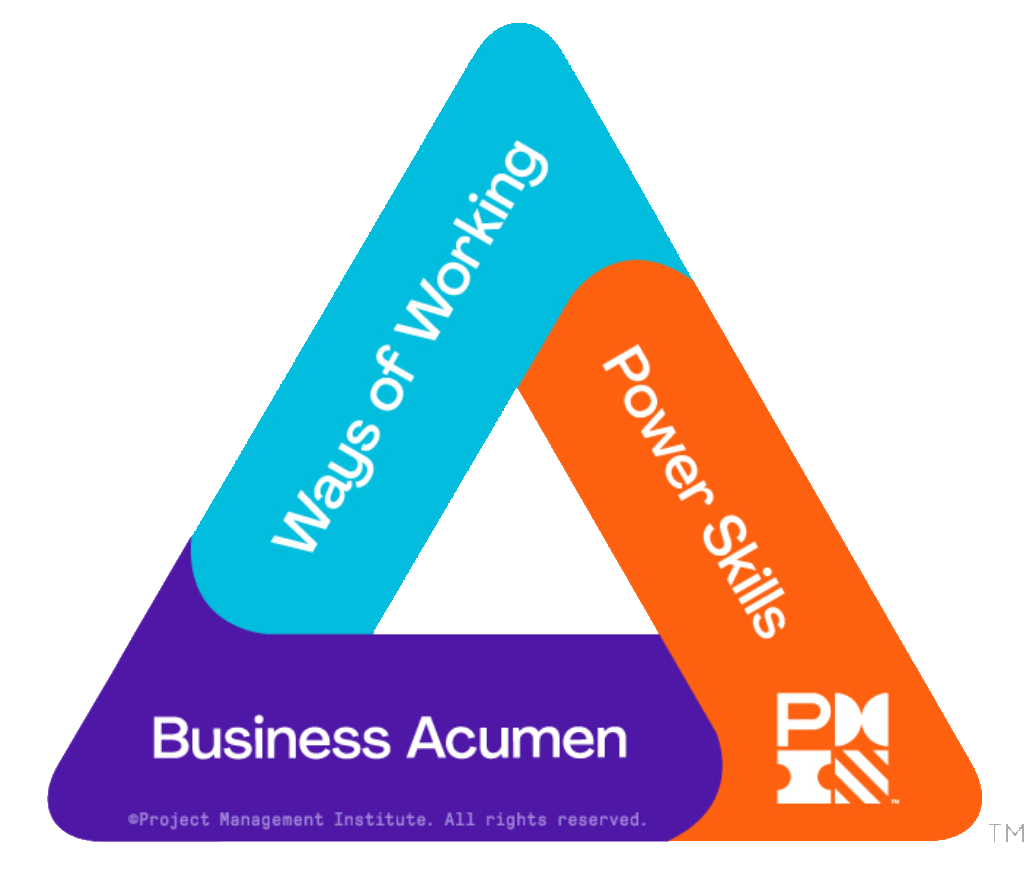
The three columns in the above table are Ways of Working, Power Skills & Business Acumen.
Learners may withdraw up to one week before the course start date with no penalty. Withdrawals made less than one week before the start date are eligible for a 50% refund, and learners may transfer to another PM Program course offering at no additional fee within two years. Once a course has begun, no refunds are available.
Program and Course Related Questions
You can find answers to your questions related to your chosen course or program by contacting the Instructor listed within the course or program details page.