
Procurement & Contract Management
In today’s ever-changing world, complexity is unavoidable. Whether you are engaged in formal project work or you are accountable for creating policies, improving operational performance, launching a new product, good or service, or creating solutions that drive organizational change, your success is highly dependent on well-defined and understood business requirements, product requirements, and specifications. Investments in requirements processes have proven to be key contributors to success in any endeavour.
This one-day program focuses on the requirements management process. Using an exercise taken from a real-life project, participants will learn how to define the problem, assess its business impact, and identify and manage stakeholders’ expectations. Participants will use elicitation tools and techniques to discover the underlying requirements that contribute to solutions that produce desired outcomes.
Through the use of techniques for clarifying expected deliverables and discovering overlooked requirements, participants will be better prepared to work on projects characterized by uncertainty and high levels of change. The course will cover requirements verification, traceability and change management techniques for both predictive and agile project environments. Participants will discover different ways to present requirements to stakeholders to maximize comprehension and encourage feedback.
By the end of this course, participants will gain the practical skills to:
- Utilize an enterprise requirements management framework and processes;
- Identify impacted stakeholders and discover and define their real problems;
- Realize and uncover real requirements using various methods and tools;
- Create appropriate questions to ask in surveys, interviews, job shadowing, and JAD sessions;
- Discover functional requirements that deliver business value;
- Document requirements clearly using standard formats, including user stories and use cases;
- Analyze, verify, and validate requirements;
- Refine, manage, and control changes to requirements;
- Use a hierarchical solution selection process to build a foundation for future requirements;
- Conduct financial analysis of proposed solution(s) to maximize benefits realization;
- Prioritize, select and present the best requirements solutions to problems/opportunities; and
- Transfer a practical requirements management methodology back to the workplace.
This course is also sometimes called "Defining and Managing Project Requirements" and "Understanding Project Objectives: Business, Requirements and Scope."
Procurement & Contract Management will be offered once in 2026. Participants will receive a course workbook containing a copy of the presentation slides and supplemental materials.
Introduction
- Course logistics
- Learning objectives
- Procurement objectives
- Definitions
- The procurement process
- Workshops: Introductions, Benefits of procurement
Plan Procurements
- Procurement strategies
- Contract law
- Defining the requirements
- Make-or-buy
- Procurement schedule
- Source selection
- Procurement Statement of Work
- Bid documents
- Contract types
- Procurement management plan
- Workshops: Make-or-buy,
- Procurement WBS, Source selection,
- Bid documents, Calculating contract price, procurement management plan
Conduct Procurements
- Form of response
- Bidder conferences
- Selecting sellers
- Proposal evaluation
- Negotiation
- Contract award
- Workshops: Response exercise,
- Bid strategy, evaluation criteria
Due Diligence
- Single point of contact
- Your company’s expectations for contract management
- Due diligence responsibilities
- Workshop: Due diligence, case studies
Course Administration
- Kick-off meeting
- Routine meetings: Pre-job brief, project updates
- Asking the right questions
- Contractor activity reporting
- Progress monitoring: schedule, quality, risk, safety, scope, earned value
- Change management
- The payment process
- Material handling
- Maintaining a productive relationship
- The zero punch list approach
- Safety and human performance
- Field monitoring: stopping the work, incident reporting, daily logs
- Dispute resolution
- Claims management
- Workshops: Waiver of contract rights, case studies
Control Procurements
- Procurement controls
- Dispute management
- Inspections and audits
- Payments
- Handover
- Documentation
- Workshops: Procurement controls, case studies
Contract Closure
- 5 conditions for contract to exist
- The Lien Act
- Terminations
- Backcharges
- Formal acceptance
- Exercise: lessons learned
- Post-contract vendor evaluations
- Workshop: Lessons learned
The Project Procurement & Contract Management course is appropriate for individuals who are:
- Project Managers and team members who want to improve their procurement management skills and increase their understanding of their procurement roles and responsibilities on a project.
- Purchasing professionals who want to make a transition into a project environment.
This course has no prerequisite.
The following table provides the breakdown of the professional development units (PDUs) for this course aligned with the PMI Talent Triangle(TM).
| WoW | PS | BA | |
| PMP | 7 | 0 | 7 |
| PgMP | 7 | 0 | 7 |
| PfMP | 0 | 0 | 7 |
| PMI-ACP | 1 | 0 | 7 |
| PMI-SP | 0 | 0 | 7 |
| PMI-RMP | 1 | 0 | 7 |
| PMI-PBA | 0 | 0 | 7 |
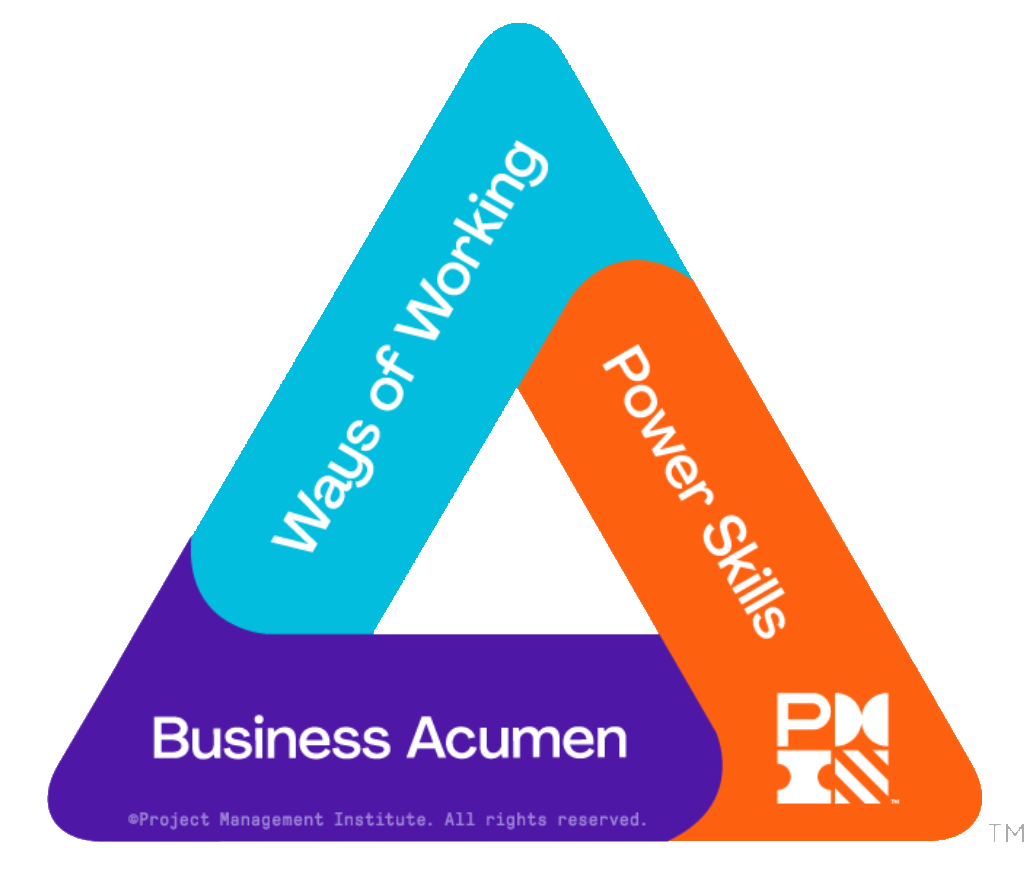
The three columns in the above table are Ways of Working, Power Skills & Business Acumen.
Learners may withdraw up to one week before the course start date with no penalty. Withdrawals made less than one week before the start date are eligible for a 50% refund, and learners may transfer to another PM Program course offering at no additional fee within two years. Once a course has begun, no refunds are available.
Program and Course Related Questions
You can find answers to your questions related to your chosen course or program by contacting the Instructor listed within the course or program details page.